Hotel Paradise
With The Icelandic Love Corporation (1996-2016
Kjarvalsstaðir, Reykjavík Art Museum - 1998
Anteprima Bovisa, Palazzo della Triennale, Milan - 2001
Bergen Kunsthall - 2003
Hafnarhús, Reykjavík Art Museum - 2007
Acquired by the National Gallery of Iceland - 2007
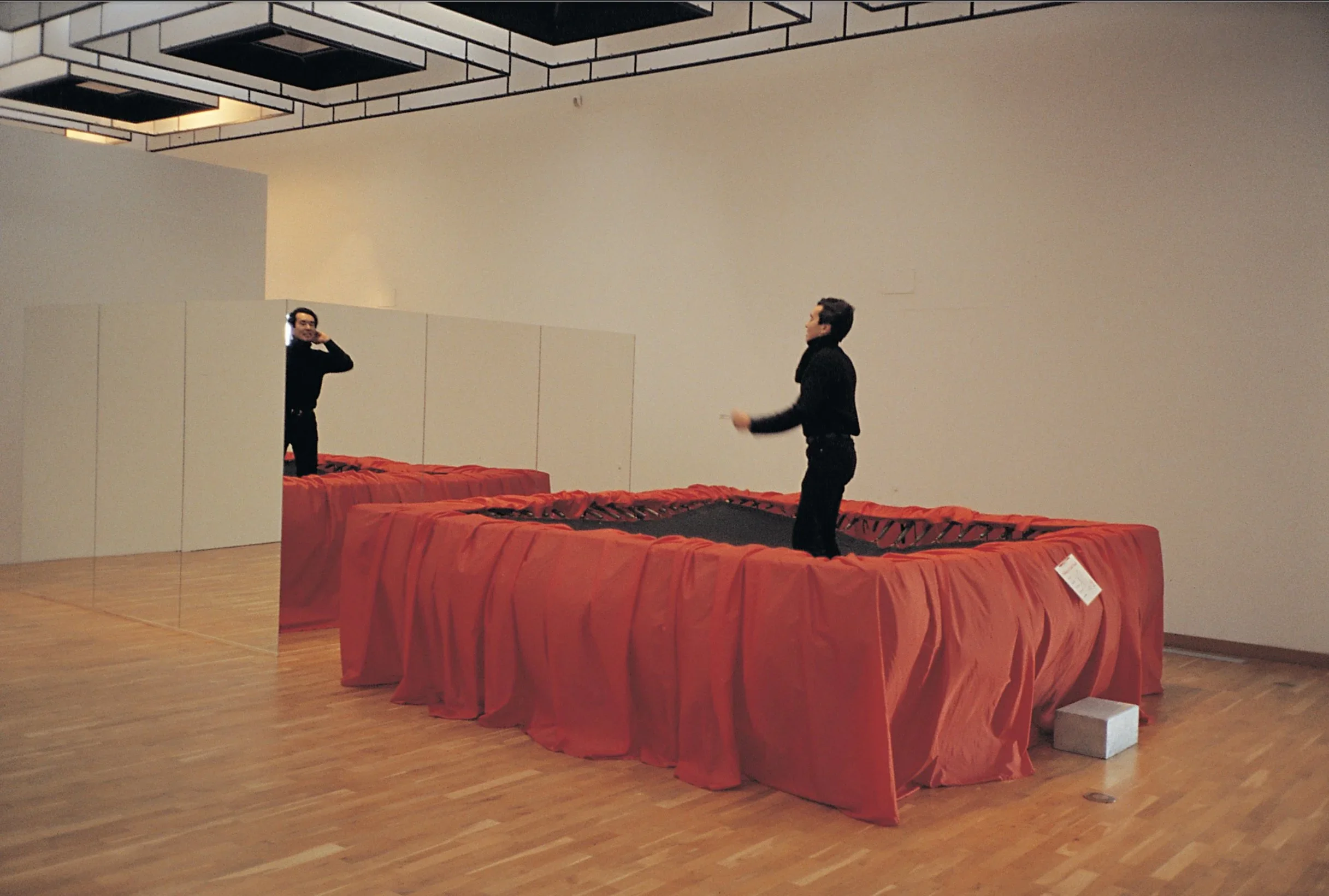
Kjarvalsstaðir, 1998
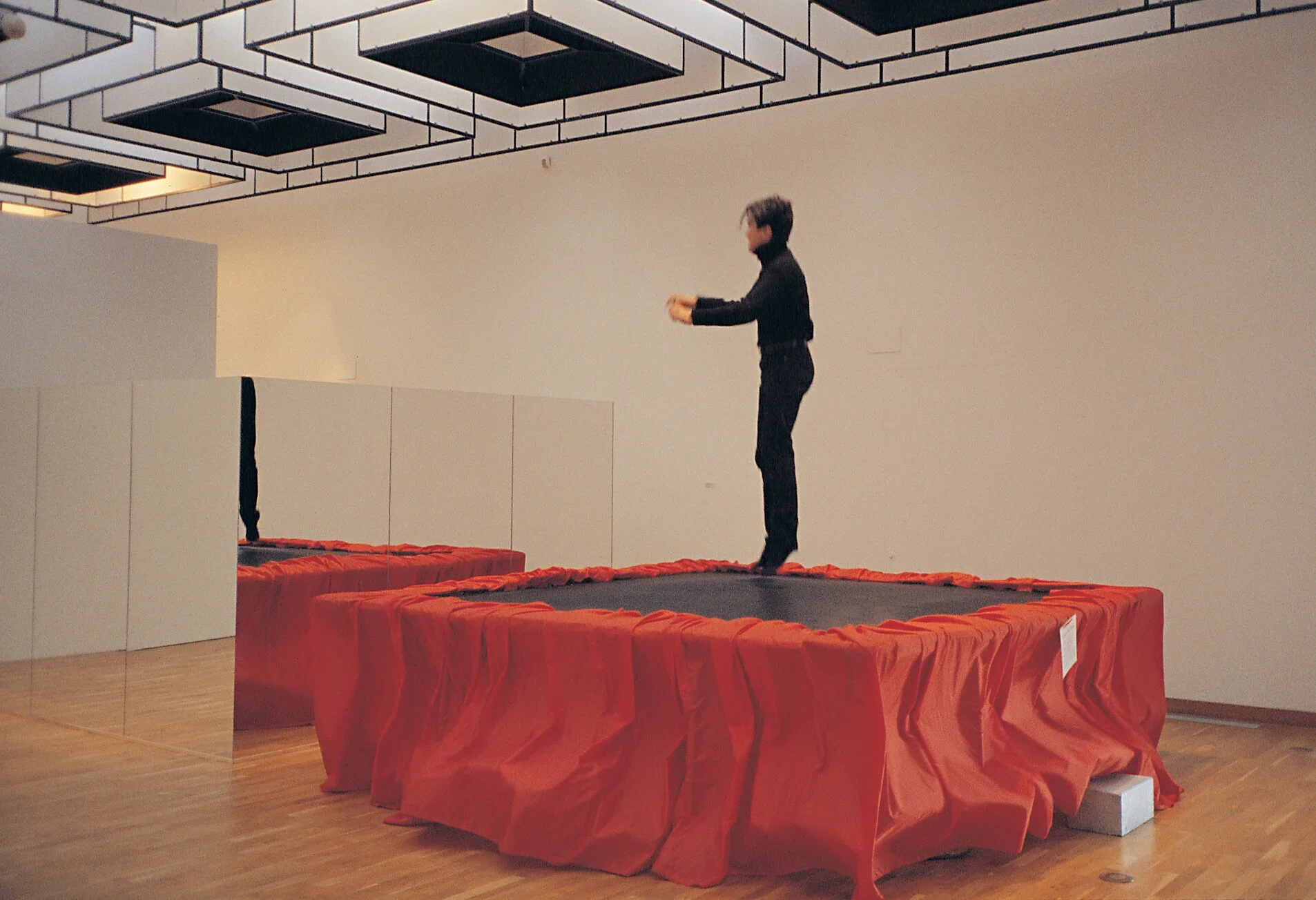
Kjarvalsstaðir, 1998
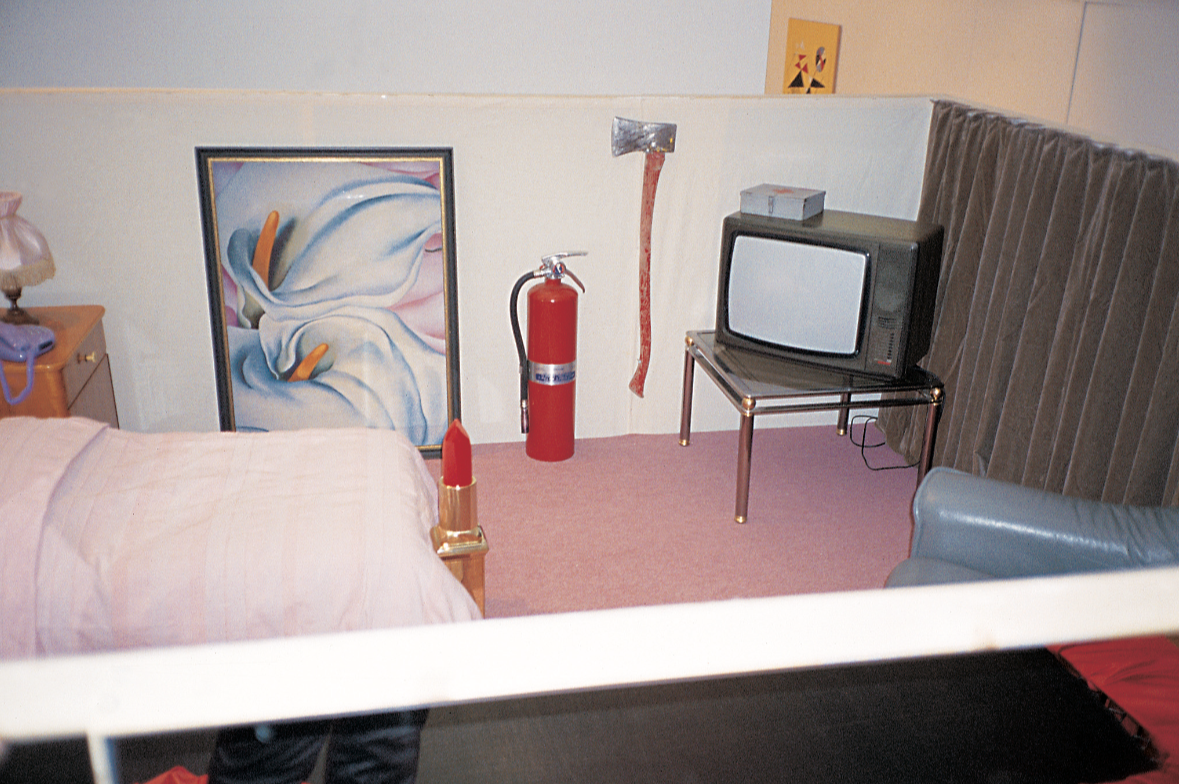
Inside the mirror cube
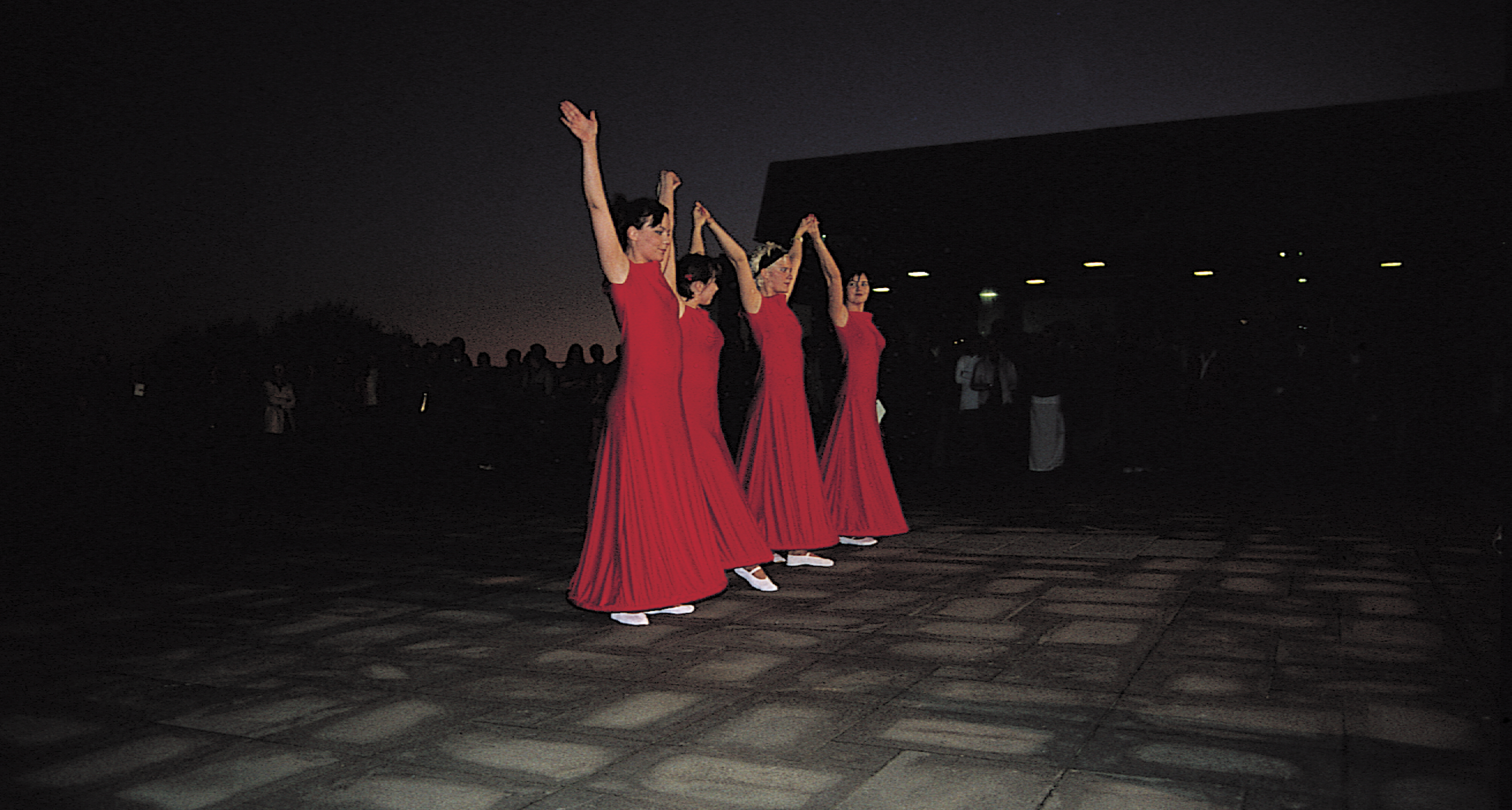
Performance, Speech II, Kjarvalsstaðir, 1998
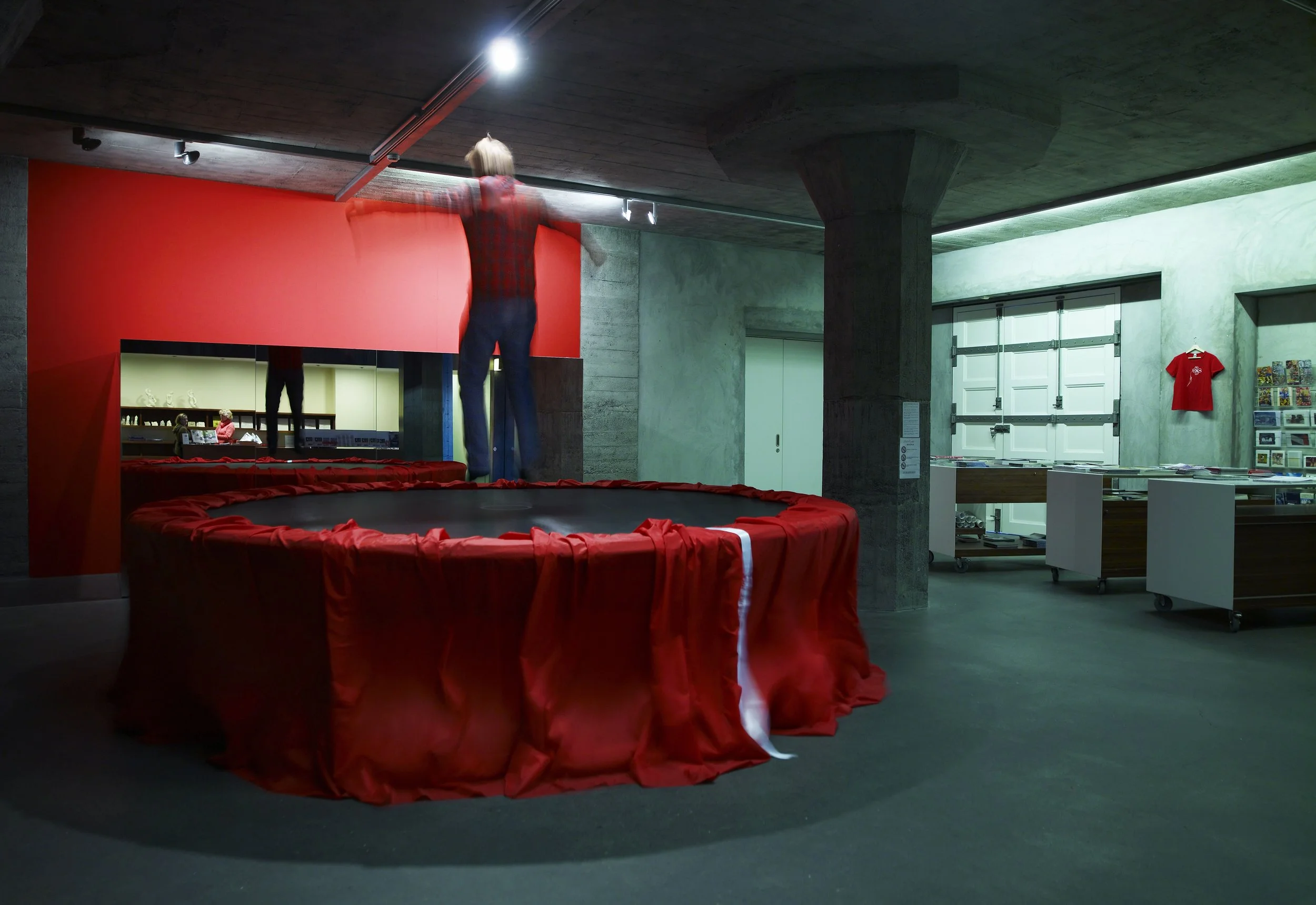
Hafnarhús, 2007
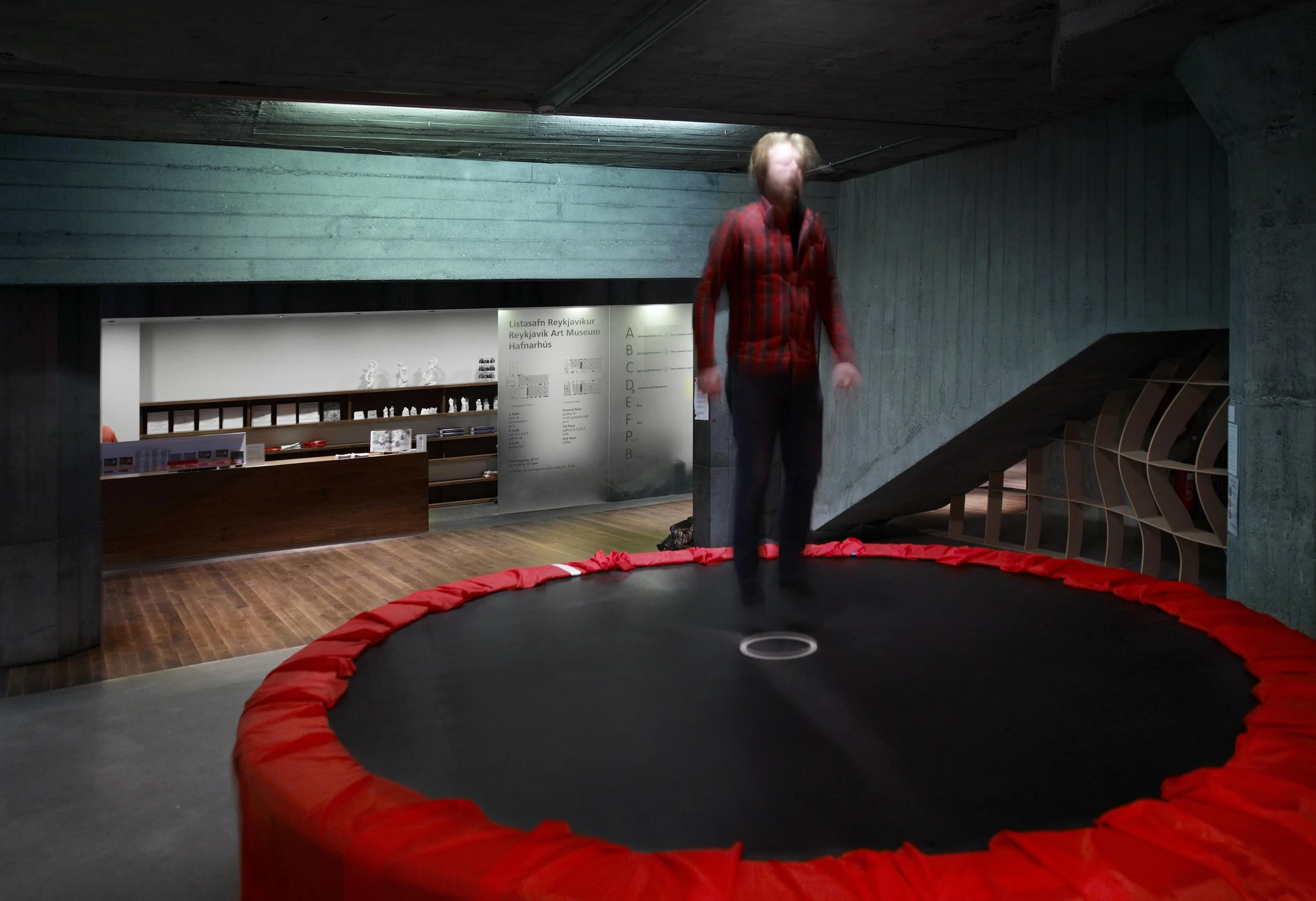
Hafnarhús, 2007
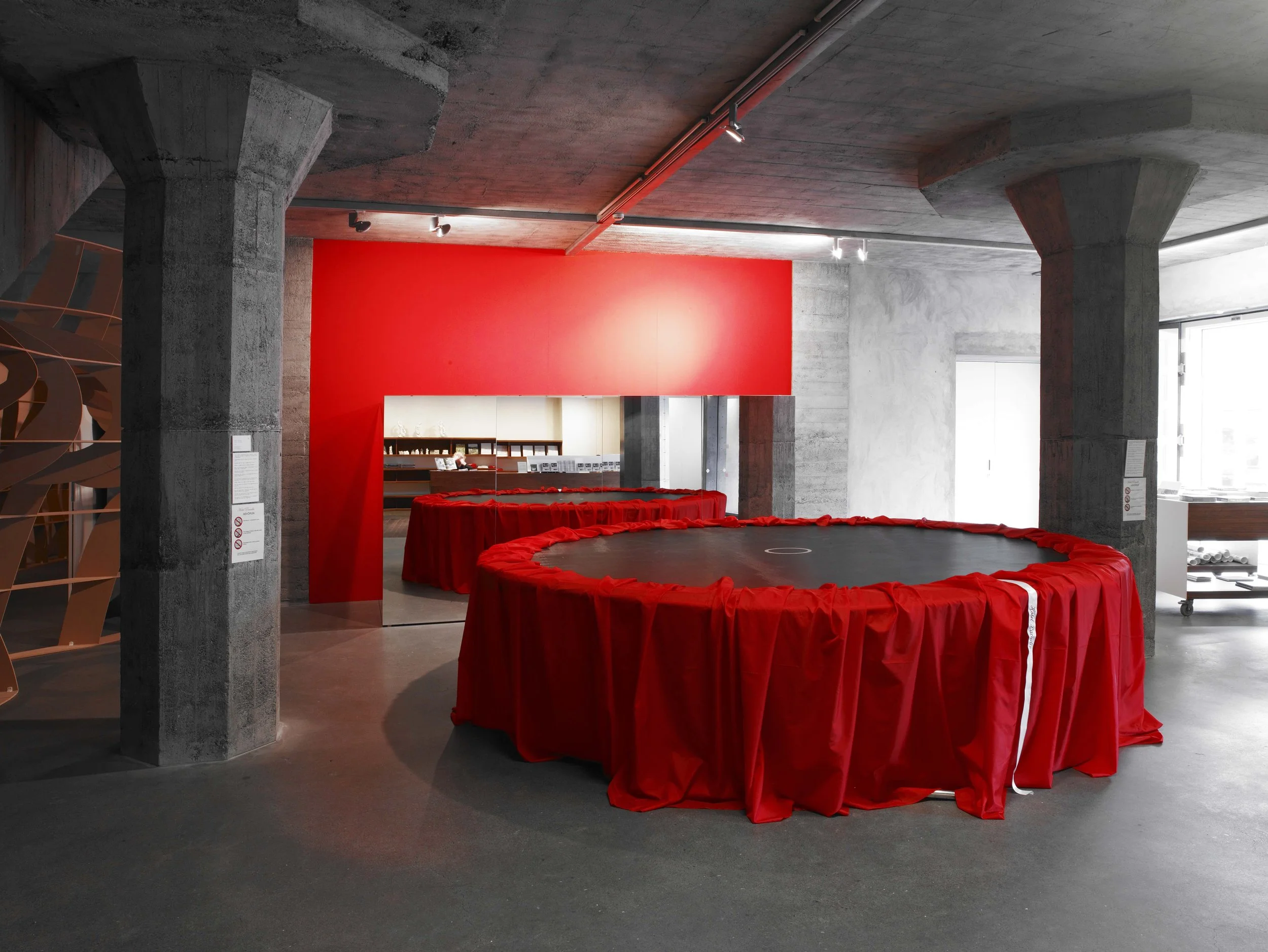
Hafnarhús, 2007
Hotel Paradise
With The Icelandic Love Corporation (1996-2016
Kjarvalsstaðir, Reykjavík Art Museum - 1998
Anteprima Bovisa, Palazzo della Triennale, Milan - 2001
Bergen Kunsthall - 2003
Hafnarhús, Reykjavík Art Museum - 2007
Acquired by the National Gallery of Iceland - 2007
HOTEL PARADISE
The work was first exhibited as part of the group exhibition -30+60 at Reykjavík Art Museum, Kjarvalsstaðir, in 1998. The members of The Icelandic Love Corporation (Gjörningaklúbburinn): Dóra Ísleifsdóttir, Eirún Sigurðardóttir, Jóní Jónsdóttir and Sigrún Hrólfsdóttir, had been invited to create a new work for the exhibition.
Below are The Icelandic Love Corporation’s responses to questions from the National Gallery of Iceland, which acquired Hotel Paradise for the collection in 2007.
1. Where does the title of the work come from?
When you arrive to a hotel, you are handed a key to a room, to a private world of your own, a kind of paradise for you and yours. A new world awaits you, filled with untold stories.
2. Could you describe the work in a few words?
A trampoline that visitors can jump on, allowing them to look down into a nine-square-metre mirrored space with a ceiling height of two metres.
This is, in fact, an illusion, as the space inside the square is only one metre high. Inside is a hotel room with unusual proportions, furnished with typical hotel amenities and a few peculiar details.
3. What was the starting point for this work?
The starting points were audience participation, travel and minimalism.
The Icelandic Love Corporation’s interest in audience participation was an important inspiration for the work. If you do not participate by jumping on the trampoline, very little happens. You cannot proceed any further and are left to confront your own inability or unwillingness, reflected in the mirrors.
Another important source of inspiration was The Icelandic Love Corporation’s travels abroad, during which we stayed in a variety of hotel rooms. Something intangible always seems to linger in the air, left behind by previous guests: the smell of aftershave, an encounter between lovers or a sense of loneliness. It is an atmosphere that is difficult to capture, yet one that has an effect.
The work was also intended to be minimalist, approached in the distinctive spirit of The Icelandic Love Corporation, by working with basic geometric forms such as the square. But as soon as the square is clad in mirrors and playful red satin fabric is gathered around the trampoline, minimalism begins to take on a drag persona.
4. Where does this work fit within your artistic development?
It belongs to an early stage of our artistic career. In 1998, we had been working together for two years. This was the collective’s first major work created for a museum exhibition.
5. Have you made other works that are connected to this one?
The work could be linked to the Icelandic Love Corporation’s tent works: The Tent Lady (2007) and a tent currently in progress (2008), which is to be titled Woman. Both works are connected to ideas of hospitality.
The tents invite audience participation: visitors can rest, linger or walk through them. They are also associated with travel in the minds of viewers. The feminine elements and eccentric qualities of the tent works also resonate with Hotel Paradise.
The lipstick inside the hotel room was used extensively during this period, when we were exploring femininity from various perspectives. One example is the video work Lipstick on the Beach, shown as part of The Icelandic Love Corporation’s installation at the first Moss Biennale in Norway in 1998. The lipstick was also presented as a sculpture at The Icelandic Love Corporation’s solo exhibition at Gerðuberg in 1997.
6. Why do you work with this medium?
It was not a question of the medium itself, but rather of finding the form that we felt would best communicate the idea.
7. Where and when was the work exhibited before becoming part of the museum’s collection?
1998: Reykjavík Art Museum, Kjarvalsstaðir, as part of the exhibition -30+60.
2001: Anteprima Bovisa, Palazzo della Triennale, Milan, Italy.
2003: Bergen Kunsthall, Bergen, Norway, as part of the exhibition Behind the Eyes.
2007: Reykjavík Art Museum, Hafnarhús, as part of a retrospective exhibition of The Icelandic Love Corporation.
From ILC’s retrospective book (2007)
Among the most memorable encounters with a work by the ILC was their Hotel Paradise, from 1998, which I saw at Bovisa in Milan, in 2000, as a part of the exhibition Fine secolo. I semi del futuro. What caught my attention was an endless queue of kids waiting to jump on a trampoline, which was an integral part of the work. They laughed and giggled as they started jumping up and down, but as they reached a certain height allowing them to glance at the interior hidden inside a cube of four walls, which was only open to the sky, their laughter suddenly died out and an intense whispering took its place. It was as if one were witnessing the tender moment when caught in particular circumstances an innocent child is driven to abrupt consciousness of adulthood. Things never become the same again.
HALLDÓR BJÖRN RUNÓLFSSON